
Call us now :08045478625
 Send Inquiry
 Send Inquiry
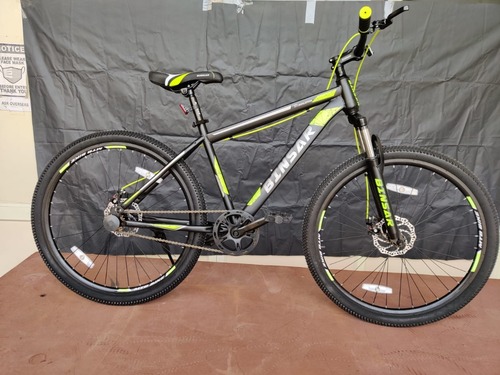
Fat Tyre Bicycle
Price 6,500 INR/ Piece
MOQ : 20 Pieces
Fat Tyre Bicycle Specification
- Bicycles Type
- Fat Tyre Bicycle
- Material
- High Tensile Steel
- Rim Material
- Alloy
- Rim Depth
- 40 mm
- Fork Material
- Steel
- Fork Length
- 400 mm
- Wheel Size
- 26 Inch
- Gross Weight
- 18 kg
- Gears
- Single Speed
- Foldable
- No
- Gender
- Unisex
- Suspension
- Front Suspension Fork
- Frame Type
- Hardtail
- Handlebar Type
- Flat Bar
- Brake Type
- Dual Disc Brake
- Chain Type
- Rust Resistant
- Pedal Type
- Anti-Slip Platform
- Max Rider Weight
- 120 kg
- Seat Type
- Adjustable Saddle
- Tyre Width
- 4 Inch
- Color
- Matte Black and Green
Fat Tyre Bicycle About
A fat tyre bicycle is a type of bicycle that is designed with extra-wide tires that are typically between 3.8 and 5 inches in width. These wider tyres are designed to provide increased surface area and traction, which allows riders to ride on soft, unstable terrain such as sand, snow, mud, or gravel more easily.
Fat tyre bicycles typically have a wider frame and fork to accommodate the wider tyres, and the tires are run at lower pressures than regular bike tires, which allows them to conform to the terrain more easily. The wide tires also provide a cushioning effect, which makes for a more comfortable ride on rough terrain.
Fat tyre bicycles were originally designed for use in snowy conditions, such as winter cycling or snow biking. However, they have become popular for other types of terrain as well, such as sand, mud, and rocky terrain. They are also popular for bikepacking and touring, as the wider tires can carry heavier loads over rough terrain.
While fat tyre bicycles can be heavier and slower than traditional bicycles on paved or hard-packed surfaces, they are incredibly versatile and can be ridden on a wide range of terrain. They are an excellent choice for adventurous cyclists who want to explore off-road or unconventional routes, and who value comfort and stability over speed and efficiency.
Durable Fat Tyres for All Terrains
The 4-inch wide tyres on this bicycle are designed to tackle diverse surfaces, from sandy beaches to snowy trails and rugged paths. Built for both adventure and stability, these tyres provide exceptional grip and reduce the chances of skidding, making your outdoor rides safer and more enjoyable.
Reliable Braking and Smooth Ride
Outfitted with dual disc brakes, this bicycle ensures robust stopping ability even in wet or muddy environments. The front suspension fork and alloy rims work together to deliver a comfortable and stable ride, absorbing shocks from bumps and rough surfaces to keep you in control.
Ergonomics and Adjustable Comfort
Enjoy improved comfort with an adjustable saddle that suits riders of varying heights. The flat bar handle design gives excellent control, while anti-slip pedals and a rust-resistant chain minimize maintenance and ensure a smooth pedaling experience over the bikes lifetime.
FAQs of Fat Tyre Bicycle:
Q: How does the 4-inch fat tyre design benefit riding on rough terrain?
A: The 4-inch fat tyres offer greater surface contact, enhancing traction and balance on uneven surfaces like sand, snow, and gravel. This design stabilizes the bicycle, allowing for safer rides over challenging terrains.Q: What type of braking system is featured, and what advantages does it offer?
A: This bicycle features dual disc brakes, which provide reliable and responsive braking even in wet or muddy conditions. Disc brakes are less affected by dirt and allow better control when stopping.Q: When should I consider using a fat tyre bicycle over a regular bicycle?
A: A fat tyre bicycle is ideal when you need to ride over loose or uneven terrain such as beaches, snowy paths, or rocky trails. The wide tyres and front suspension help absorb shocks and ensure smooth rides where standard bicycles might struggle.Q: Where can I use this bicycle most effectively?
A: While it performs well on typical roads, this bicycle truly excels on off-road terrain, sandy paths, mountain trails, and other places where extra stability and grip are crucial.Q: What maintenance is required for the chain and frame material?
A: The chain is rust-resistant, reducing the need for frequent lubrication or cleaning. The high tensile steel frame is sturdy and needs minimal maintenance, though occasionally checking for rust and tightness of bolts is recommended.Q: How does the adjustable saddle enhance rider comfort?
A: The adjustable saddle allows you to modify the seat height for your individual preference, ensuring a comfortable and ergonomic riding posture for different riders.Q: What process should I follow for regular upkeep of this bicycle?
A: Regular upkeep involves checking tyre pressure, cleaning the disc brakes, lubricating moving parts when necessary, and inspecting the frame and saddle for looseness or damage. Always store the bicycle in a dry place to prolong its lifespan.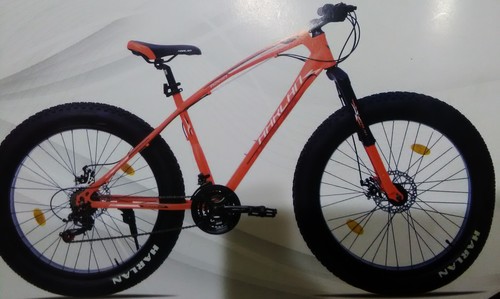
Tell us about your requirement

Price:
Quantity
Select Unit
- 50
- 100
- 200
- 250
- 500
- 1000+
Additional detail
Mobile number
Email

More Products in MTB Bicycle Category
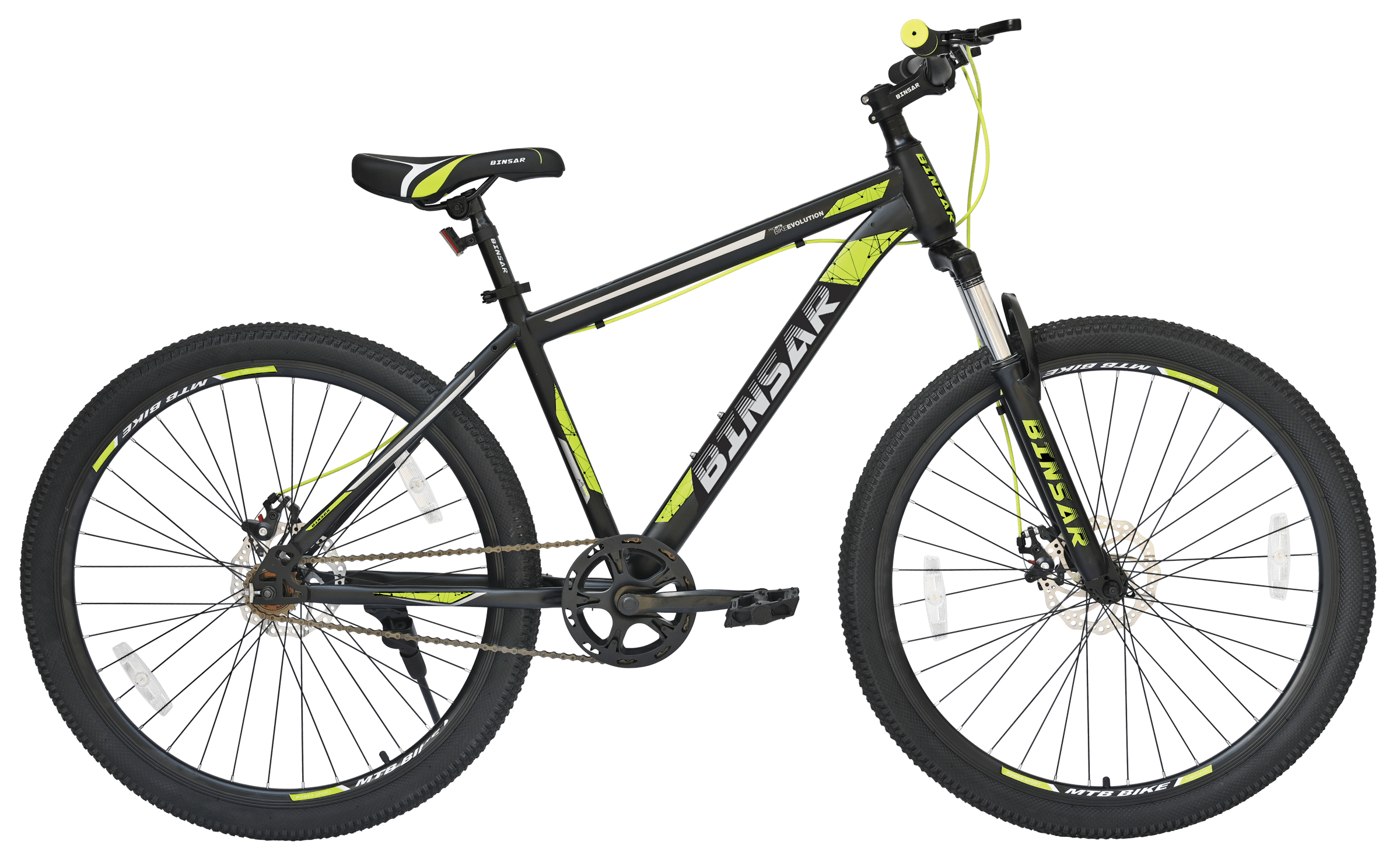
24" BINSAR MULTI/S
Price 6390.0 INR
Minimum Order Quantity : 10
Gross Weight : 29 Kilograms
Wheel Size : 24 inch
Material : Steel
Bicycles Type : Mountain bike
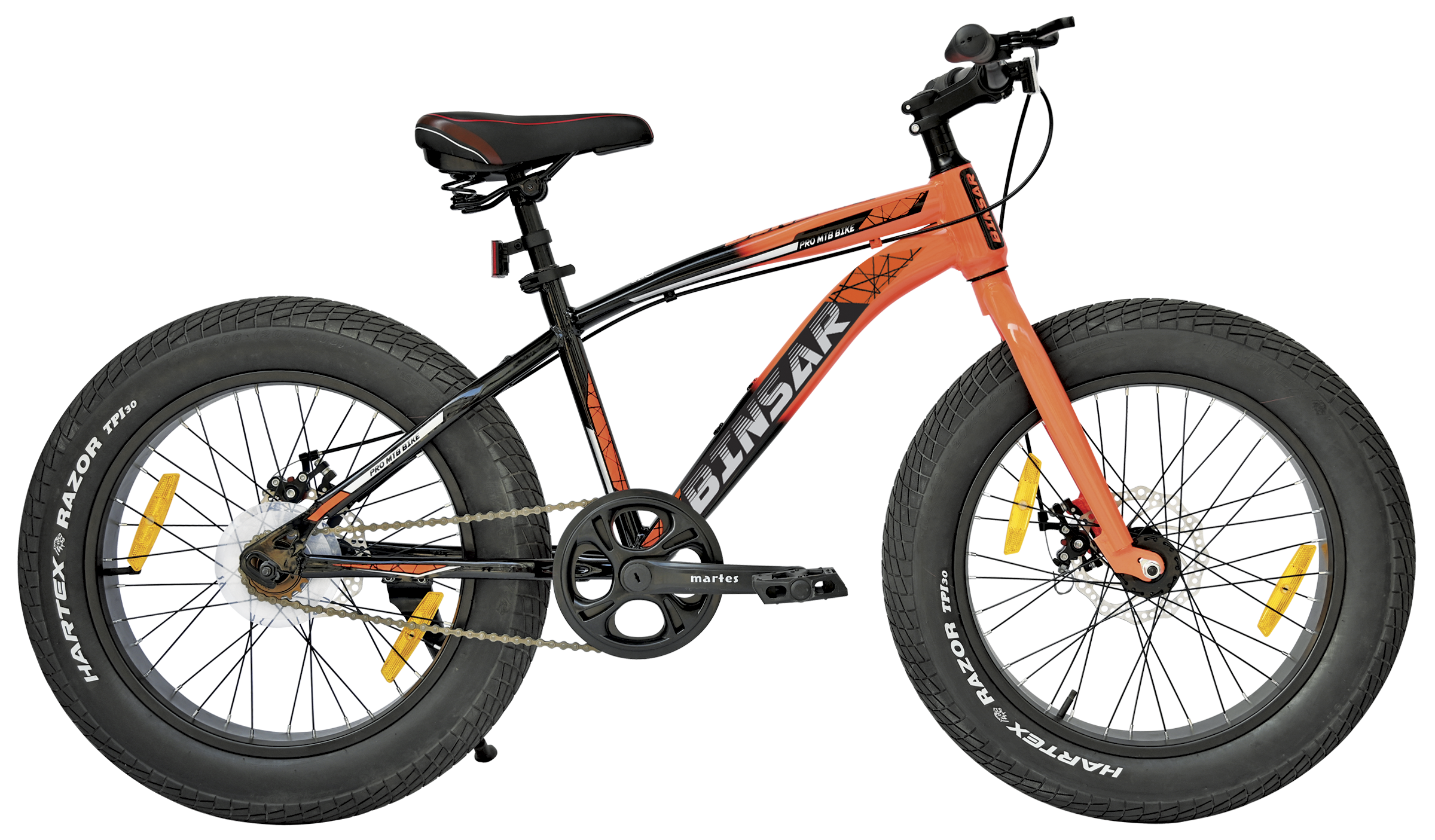
20" BINSAR THUNDER
Price 6500 INR / Box
Minimum Order Quantity : 10
Gross Weight : 15 Kilograms
Wheel Size : 20*4.00
Material : Steel
Bicycles Type : Mountain bike
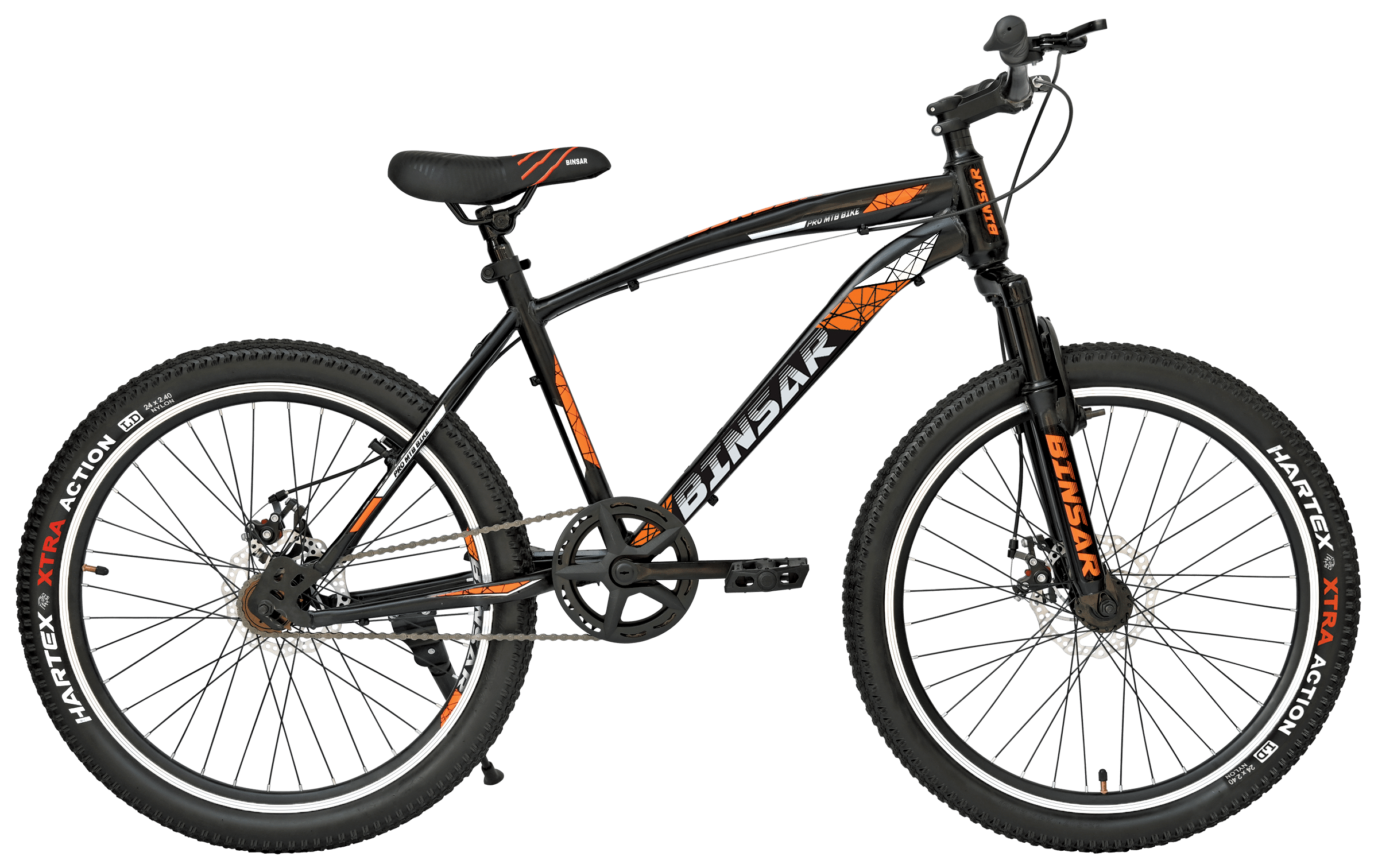
24" BINSAR GALLON
Price 6299.0 INR
Minimum Order Quantity : 10
Gross Weight : 29 Kilograms
Wheel Size : 24 inch
Material : Other, Plastic
Bicycles Type : Mountain bike
MTB BICYCLE ( BINSAR 26/27.5 )
Price 10000 INR / Piece
Minimum Order Quantity : 10 Pieces
Gross Weight : Approx. 17 kg
Wheel Size : 26 inch / 27.5 inch
Material : Other, HighTensile Steel Frame
Bicycles Type : Others, Mountain Terrain Bicycle (MTB)


 Send Inquiry
Our Products
- BICYCLE FRAME
- Bicycle RIM
- BICYCLE FORK
- BICYCLE SPOKE WITH NIPPLES
- BICYCLE NIPPLES
- BICYCLE BRAKES
- BICYCLE BREAK LEVER
- BICYCLE BRAKE WIRE
- BICYCLE HUBS
- BICYCLE COASTER HUBS
- BICYCLE GEAR SHIFTERS
- BICYCLE DERAILLURE
- BICYCLE CHAIN ROLL
- BICYCLE CHAIN WHEEL
- BICYCLE FREE WHEEL
- BICYCLE FRAME CENTER SHOCKER
- BICYCLE B.B PARTS
- BICYCLE FORK FITTING
- BICYCLE HANDLE STEM
- BICYCLE TYRES
- BICYCLE PVC RIM TAPE
- BICYCLE SEAT QUICK RELEASE
- BICYCLE HEAD TUBE
- BICYCLE PEDAL
- BICYCLE SEAT (SADDLE )
- BICYCLE SEAT PILLAR
- BICYCLE SIDE STAND
- BICYCLE MUD / RD / SPOKE GUARD
- BICYCLE REFLECTOR
- BICYCLE GRIP
- BICYCLE ACCESSORIES
- MTB Bicycle
- CYCLE FRAME
- CYCLE FORK
- Bicycle Bottle Cage
- Bicycle Alloy Parts
- Bicycle Accessories
- Roadster Bicycle
- Bicycle Basket
- BICYCLE LIGHTS
- BICYCLE LOCK
- BICYCLE MAGNESIUM WHEEL
- Bicycle Hub Axle
- Bicycle Handle Bar Series
- DELETE
- DELETE
- Bicycle O.P.C. & Chain Wheels
- Bicycle Parts
- Bicycle Pivots & Clamps
- Bicycle Head Set
- CYCLE RIM
- KIDS CYCLE


Plot NO. H-9, Hampton Court, Business Park, Phase 8, Focal Point, Chandigarh Road,Ludhiana - 141010, Punjab, India

Mr Sattish
(Proprietor)
Mobile :08045478625
 Send Inquiry
 Send SMS
 Call Me Free
Developed and Managed by Infocom Network Private Limited.
